Christmas Mushroom: A Designer’s Real-World Review
As an embroidery designer who has spent years digitizing patterns and troubleshooting stitch-outs for clients, I approach every new machine embroidery design with a mix of curiosity and skepticism. We have all seen the flood of holiday motifs that look charming on a screen but turn into a tangled mess of thread breaks and puckering on fabric. When I first loaded the Christmas Mushroom file into my software, I was looking for more than just cute aesthetics. I wanted to know if this design could hold up in a real-world embroidery project, specifically for the high-volume, high-quality demands of a small craft business.
First Impressions and Visual Personality
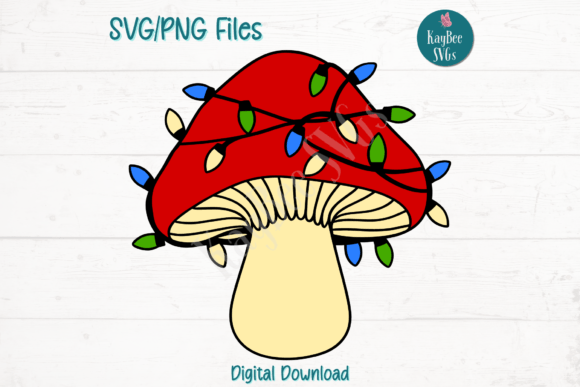
The initial visual impact of Christmas Mushroom is surprisingly sophisticated. It avoids the cliché trap of overly complex, cartoonish holiday imagery. Instead, it offers a whimsical yet grounded aesthetic that fits perfectly within the current trend of cottagecore and nature-inspired holiday decor. The shape is balanced, with a layout that feels intentional rather than cluttered. For those of us in the Crafts industry, recognizing a design that translates well from digital to physical is crucial. The detail level here is moderate, which is a good sign. It suggests that the digitizer considered the limitations of thread tension and fabric movement.
The mood it creates is warm and inviting, making it an ideal candidate for products that need to feel personal and handmade. It does not scream for attention; rather, it invites a closer look. This subtle confidence is exactly what modern buyers are seeking in handmade product listings. Whether you are an Etsy seller or running a local boutique, this kind of visual personality helps build brand consistency without overwhelming the base item.
Real-World Application: The Tote Bag Test
To truly evaluate any design, you must imagine it on a specific product. I recently worked on a custom order for a client who wanted a set of reusable grocery bags for her organic market stall. I chose Christmas Mushroom for the tote bag design because of its versatility. The design sat beautifully on a heavy canvas tote, where the stability of the fabric allowed the stitches to lay flat and crisp.
In this scenario, the fill stitch areas provided enough coverage to make the mushroom pop against the natural beige canvas, while the satin stitch outlines added definition without creating excessive bulk. Customers at the market reacted positively, noting that the design felt festive without being tacky. This reaction is vital for small shop product success. It proves that Christmas Mushroom can elevate a simple utility item into a desirable personalized gift or a branded merchandise piece.
Versatility Across Product Lines
Beyond tote bags, this embroidery file shows promise across various categories. For sweatshirt embroidery, the design scales well. On a crewneck, it serves as a focal point on the left chest or a larger statement on the back. For baby embroidery, the soft curves and lack of sharp, tiny details make it safe and appealing for nursery decor or baby blankets. However, when moving to custom apparel like t-shirts, one must be cautious. The weight of the stitching needs to match the lightweight fabric to avoid distortion.
I also tested the concept for an embroidered patch. The clear boundaries of the mushroom cap and stem make it an excellent candidate for cut-out patches, which are currently trending among younger demographics. This versatility makes it a valuable asset for designers who need to maximize their design assets across multiple revenue streams.
Technical Considerations and Stitch Performance
While the aesthetic is strong, the technical execution requires attention. In my review, I noticed that the stitch density is moderate to high in the cap area. This is necessary for color saturation but means you must use the correct stabilizer. For stretchy fabrics like jersey knits used in t-shirts, a cut-away stabilizer is non-negotiable to prevent the design from warping after washing. On woven fabrics like linen or cotton twill, a tear-away might suffice, but always test first.
The use of running stitch for finer details, such as the gills under the cap, is a smart digitizing choice. It reduces bulk and prevents thread breaks in tight spaces. However, these fine lines require high-quality thread and a properly threaded machine. If your tension is off, these delicate areas may look messy. I recommend using a high-sheen polyester or rayon thread to enhance the visual appeal, especially if you are aiming for a glossy, professional finish on a holiday embroidery piece.
Fabric and Hoop Constraints
One must consider where this design should be used carefully. On dark fabrics, ensure your thread colors have enough contrast. A dark red mushroom on a black sweatshirt will vanish unless you use metallic or bright accent threads. Additionally, curved surfaces like caps present a challenge. The hoop size must be appropriate to keep the fabric taut, and the design placement must avoid seams. If the mushroom is too large for a standard cap hoop, it may require re-digitizing or scaling down, which could compromise the clarity of the smaller details.
For items that need frequent washing, such as kitchen towels or aprons, the durability of the stitch-out is paramount. The Christmas Mushroom design holds up well if secured properly, but dense areas should be checked for potential snagging. Always trim jump stitches cleanly and consider using a topping on textured fabrics like terry cloth to prevent the stitches from sinking into the pile.
Commercial Value and Buyer Engagement
From a business perspective, Christmas Mushroom adds tangible value. It is not just a decoration; it is a selling point. In commercial embroidery, uniqueness drives sales. This design stands out in a sea of generic snowflakes and trees. It appeals to buyers looking for something different, which can increase buyer engagement and conversion rates on platforms like Etsy.
When creating printable mockup images for your online store, this design photographs well. The distinct shapes create clear shadows and highlights, making the finished product look three-dimensional and premium. This visual clarity builds customer trust, as they can see exactly what they are buying. For digital embroidery file sellers, offering this as part of a holiday bundle could attract hobbyists and makers who want reliable, tested designs for their own craft business.
Final Designer Notes
Before committing to a large production run, always test the design on scrap fabric that matches your final material. Check the hoop size compatibility with your machine. Inspect the small details for any potential thread breaks. Compare how it looks on light versus dark backgrounds. If you are unsure about licensing, confirm whether the applique design or standard fill version allows for commercial use. Most reputable designers provide clear terms, but it is your responsibility to verify.
In conclusion, Christmas Mushroom is a robust, versatile, and aesthetically pleasing addition to any designer’s library. It balances charm with technical practicality, making it suitable for a wide range of applications from personalized gift items to boutique merchandise. With proper preparation and attention to stabilizer and thread choices, it will deliver professional results that enhance your brand and delight your customers.