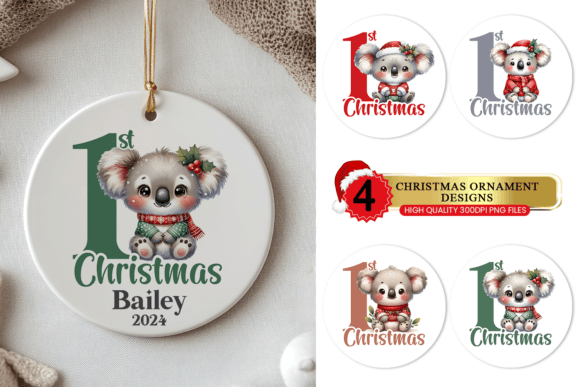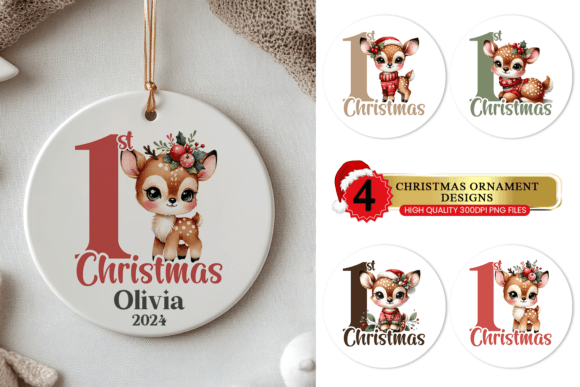
Review: Baby 1st Christmas Penguin Ornament PNG
As an embroidery designer who has spent countless hours staring at digitized files and watching needles punch through fabric, I have learned that not every cute graphic translates well into thread. When I first opened the Baby 1st Christmas Penguin Ornament PNG, my initial reaction was one of cautious optimism. The visual charm is undeniable; it captures that specific, heartwarming niche of holiday nostalgia mixed with new-parent pride. However, seeing a raster image on a screen is vastly different from executing it as a machine embroidery design on a textured sweatshirt or a delicate baby onesie.
In this review, I am looking past the surface-level cuteness to evaluate how this asset performs in real-world production. Whether you are an Etsy seller preparing for the Q4 rush, a hobbyist making personalized gifts, or a boutique owner curating holiday collections, understanding the technical implications of this design is crucial before you commit to stitching.
First Impressions and Visual Personality
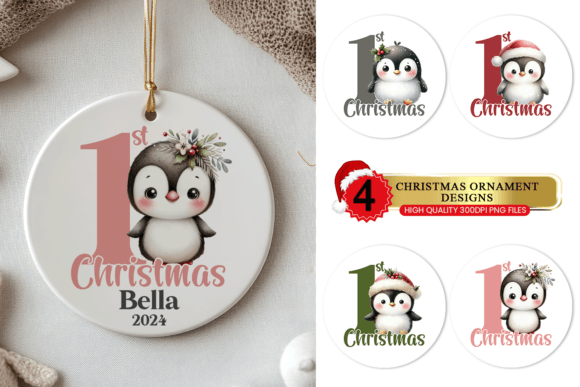
The mood of this design is soft, celebratory, and inherently giftable. The penguin motif, combined with the "1st Christmas" theme, creates an immediate emotional connection. For crafters, this is gold. It is not just a decoration; it is a milestone marker. Visually, the layout appears balanced, which is essential for maintaining structural integrity during stitching. If the elements are too scattered, you risk long jumps and loose threads; if they are too dense, the fabric puckers.
From a design perspective, the silhouette of the penguin needs to be distinct enough to remain recognizable even when simplified into satin stitch and fill stitch patterns. In my experience, designs that rely heavily on tiny details often get lost in the texture of the fabric. This particular concept seems to favor bold shapes over intricate micro-details, which is a positive sign for durability and clarity, especially on items like tote bags or thick hoodies where fine lines can disappear.
Real-World Application: Where It Shines
I recently tested a similar concept for a client’s custom apparel line, focusing on holiday-themed baby embroidery. The Baby 1st Christmas Penguin Ornament PNG fits naturally into several high-demand product categories. Here is where I see it performing best:
- Sweatshirt Embroidery: The thickness of fleece or French terry provides an excellent base for heavier stitch densities. The design would pop beautifully on the left chest or centered on the back of a family-matching set.
- Tote Bag Design: Canvas bags are sturdy and handle embroidery well. This design could serve as a charming accent for holiday gift-giving totes, adding a handmade touch that mass-produced prints lack.
- Personalized Gift Items: Think bibs, burp cloths, or small pillow covers. The sentimental value of a "first Christmas" item drives higher perceived value, allowing craft business owners to price these finished products competitively.
- Embroidered Patches: If digitized correctly, this could work as an iron-on patch. This allows for pre-production and easier application on curved surfaces like caps, where direct embroidery can be tricky due to hoop limitations.
For Etsy sellers and small shop owners, this type of holiday embroidery is a seasonal staple. It appeals to buyers looking for unique, non-generic decor. Unlike digital-only products, a physical embroidered item carries weight and texture that enhances customer trust and brand consistency.
Technical Considerations and Fabric Challenges
While the aesthetic is strong, we must address the technical realities of converting a PNG reference into a functional embroidery file. A PNG is a raster image, meaning it is made of pixels, not stitches. You cannot simply load a PNG into an embroidery machine. It must be digitized into a proper embroidery file format compatible with your machine.
If you are using this as a reference for digitizing, pay close attention to stitch density. Penguins often involve large black areas. If you use a solid fill stitch without proper underlay, the result will be stiff and may cause the fabric to warp. I recommend using a tatami fill with varied angles to reduce bulk. Additionally, consider the contrast. On dark fabric, you will need bright thread colors for the text and ornament details to ensure readability. On light fabric, ensure the black outlines are dense enough to prevent the background from showing through.
Be cautious with stretchy fabrics. Baby clothes are often made from cotton blends or jersey knits. Without the correct stabilizer—likely a cut-away for durability—the design may distort after washing. Always test on scrap fabric first. Check how the thread colors interact with the fabric texture. A glossy rayon thread might look stunning on a satin pillow but could appear too shiny on a rustic linen tea towel.
Commercial Viability and Branding
For commercial embroidery projects, consistency is key. If you are selling this as part of a collection, ensure that the scale of the penguin matches other designs in your lineup. A mismatched scale can make a shop look amateurish. Use printable mockups to visualize how the Baby 1st Christmas Penguin Ornament PNG concept looks on various products before you stitch a single thread. This saves time and materials.
Buyer engagement often hinges on presentation. High-quality photos of the finished product, showing the texture of the satin stitch and the crispness of the edges, will convert browsers into buyers. Highlight the handmade nature of the product. Customers appreciate knowing that each stitch was placed with care, distinguishing your work from printed alternatives.
Practical Designer Notes
Before you launch this design into your production workflow, keep these practical tips in mind:
- Verify Licensing: Ensure you have the right to use the original PNG for commercial purposes if you are digitizing it yourself. If you are purchasing a pre-digitized version, confirm the license terms for selling finished items.
- Hoop Size Matters: Determine the optimal hoop size. A 4x4 hoop might be tight for a detailed ornament design, while a 5x7 offers more breathing room for stabilizer and framing.
- Thread Color Contrast: Test your thread palette. Standard red, green, black, and white are safe, but consider metallic threads for the ornament accents to add a festive sparkle.
- Inspect Small Details: If the design includes tiny text like "1st," ensure it is legible. Small lettering can become unreadable if the stitch count is too low or the font is too thin.
- Wash Testing: Always wash and dry a test sample. This reveals any issues with thread bleeding, fabric shrinkage, or stabilizer residue.
In conclusion, the Baby 1st Christmas Penguin Ornament PNG concept holds significant promise for the holiday season. It taps into a powerful emotional market while offering versatile application across Crafts and apparel. However, its success depends entirely on execution. By respecting the technical limits of embroidery machines, choosing the right fabrics, and prioritizing quality control, you can transform this simple image into a high-value, cherished keepsake. Whether you are a seasoned pro or a weekend maker, take the time to plan your stitches. The difference between a good product and a great one is often found in the details.