Review: Watercolor Halloween Sticker Clipart for Embroidery
As a designer who has spent countless hours digitizing and testing machine embroidery design files, I have learned that not every digital asset translates well to thread. When I first encountered the Watercolor Halloween Sticker Clipart, my initial reaction was cautious optimism. The watercolor aesthetic is trendy, but it often relies on subtle gradients and soft edges that can get lost in the rigid geometry of stitching. However, after putting this set through its paces on various fabrics and hoop sizes, I found it to be a surprisingly versatile resource for those willing to adapt their technique.
First Impressions and Visual Mood
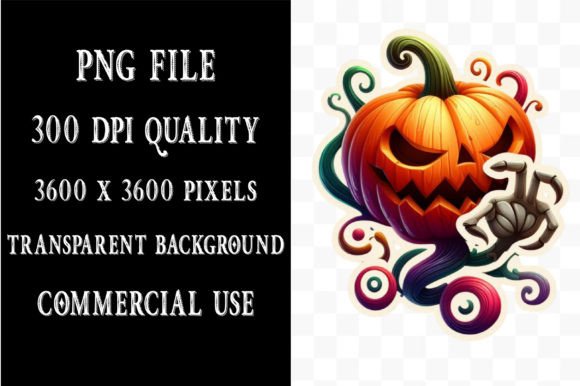
The immediate appeal of this collection lies in its playful yet sophisticated mood. Unlike traditional spooky graphics that rely on harsh black outlines, these illustrations use soft, bleeding colors that mimic hand-painted art. For an embroidery project, this suggests a need for careful planning. The shapes are organic, featuring pumpkins, ghosts, and autumnal elements that feel more whimsical than terrifying. This visual personality makes them ideal for boutique branding or handmade products targeting families and young adults who prefer "cute spooky" over "horror."
From a layout perspective, the designs are self-contained, much like actual stickers. This compact nature is beneficial for small-scale applications. However, the lack of hard borders means you must rely on stitch types to define the edges. If you are used to working with bold, cartoon-style applique design files, this will require a shift in mindset. You are not just filling space; you are interpreting paint strokes with thread.
Real-World Application: The Custom Tote Bag Test
To truly evaluate the utility of these assets, I applied one of the pumpkin designs to a canvas tote bag, a staple item for any Etsy seller or craft fair vendor. Canvas provides a stable base, which is crucial for maintaining the integrity of soft-edged designs. I chose a medium-weight stabilizer to prevent puckering, as watercolor effects can look messy if the fabric shifts during stitching.
The result was charming. By using a combination of fill stitch for the body and a light running stitch for subtle internal details, I managed to capture the ethereal quality of the original clipart. Customers at local markets were drawn to the uniqueness of the piece. It did not look like a mass-produced iron-on transfer; it looked like a thoughtful, personalized gift. This distinction is vital for building customer trust and enhancing the perceived value of your finished product.
Performance on Apparel and Accessories
Beyond totes, I tested the designs on a fleece sweatshirt and a cotton baby onesie. On the sweatshirt, the texture of the fabric interacted interestingly with the thread colors. The pile of the fleece softened the stitches further, enhancing the watercolor effect. However, I had to increase the stitch density slightly to ensure the design did not get lost in the fuzz. For the baby item, I opted for softer threads and reduced the density to keep the garment comfortable against sensitive skin. This versatility makes the collection suitable for a wide range of custom apparel and baby embroidery projects.
When considering curved surfaces like caps, caution is advised. The detailed corners and soft gradients can distort if the hoop tension is not perfect. I recommend using a strong backing and testing on scrap fabric first. If the design includes tiny lettering or intricate details, these may not survive the curvature of a hat brim without becoming illegible or tangled.
Technical Considerations for Designers
While the aesthetic is strong, the technical execution requires attention. Because these are originally 2D illustrations, converting them into a viable embroidery file involves specific choices. You must decide whether to use satin stitches for crisp edges or fill stitches for broader areas. For the watercolor look, I found that varying the angle of the fill stitches helped mimic the flow of paint.
It is also critical to consider fabric texture and color. These designs rely on contrast. On dark fabrics, you may need to add an underlay or use lighter thread colors to ensure the design pops. Conversely, on white or light fabrics, the soft edges might blend in too much if the thread choice is too pale. Always test your thread color combinations on both light and dark backgrounds before committing to a client order.
Another key factor is the hoop size. Many of these sticker-style designs are small. Ensure your machine can handle the specific dimensions without compromising stability. If you are creating an embroidered patch, consider using a tear-away stabilizer for easy removal and a dense border to frame the soft interior.
Commercial Viability and Branding
For small shop product lines, consistency is key. This collection offers a cohesive look that can help establish a recognizable brand identity. Whether you are selling holiday embroidery items in October or creating year-round autumn decor, the style remains relevant. It fits well within the current trend of maximalist yet soft home decor.
However, always verify the licensing terms. Just because a design is labeled as a digital embroidery file or clipart does not automatically grant commercial rights for all uses. Check whether you can sell the physical stitched items or if you are limited to personal use. This due diligence protects your craft business from legal issues and ensures professional integrity.
Final Verdict
The Watercolor Halloween Sticker Clipart is a valuable addition to a designer’s toolkit, provided you approach it with technical precision. It is not a plug-and-play solution for beginners who expect perfect results without adjustment. But for experienced makers who understand how to manipulate stitch density, choose appropriate stabilizer, and select complementary threads, it offers a unique way to create standout handmade product offerings. It bridges the gap between digital art and tactile craft, allowing for creative expression that feels both modern and timeless.
Before launching a full line, create a few printable mockup samples or stitch out prototypes on different materials. Observe how the light hits the threads and how the design holds up after washing. This practical insight will save you time and resources in the long run, ensuring that every embroidery project you release meets the high standards your customers expect.