Reviewing Pastel Green Christmas Winter Images for Stitch
As a designer who has spent years translating digital art into thread, I have learned that not every pretty image translates well to fabric. When I first opened the file for Pastel Green Christmas Winter Images, my immediate reaction was one of cautious optimism. The aesthetic is undeniably charming—soft, muted, and modern—but charm does not always equal stitchability. My job is to look past the screen preview and imagine how these lines will behave under the needle, how the tension will hold on different textiles, and whether this design will elevate a handmade product or complicate it.
This review is written for fellow embroidery designers, Etsy sellers, and craft entrepreneurs who need to know if this asset is worth their time, thread, and stabilizer. We are not just looking at a picture; we are evaluating a potential revenue stream for your small shop.
The Visual Mood and First Impressions
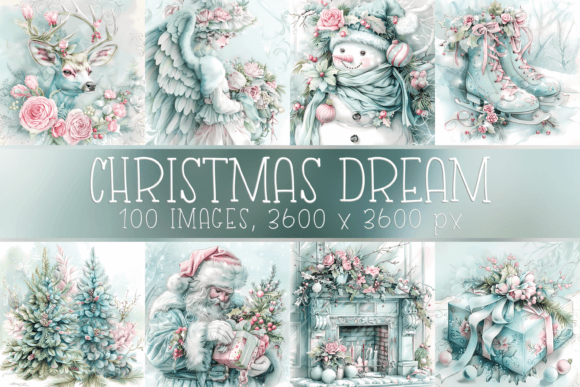
The primary appeal of Pastel Green Christmas Winter Images lies in its departure from traditional holiday palettes. Instead of aggressive reds and greens, we are working with soft mint, sage, and icy whites. This creates a calm, sophisticated mood that fits perfectly into modern nursery decor or boutique home goods. Visually, the layout feels balanced, but as an embroiderer, I immediately started scanning for potential pitfalls. Are there tiny, isolated details that might get lost? Is the contrast sufficient for visibility from a distance?
For those of you selling digital embroidery files or finished goods, this aesthetic targets a specific buyer: the customer who wants holiday spirit without the visual noise. It suggests warmth and tranquility. However, because the colors are low-contrast, the success of this design relies heavily on your choice of thread colors and fabric texture. If you pair a pale green thread with a white cotton tote, the design may vanish. You must ensure enough tonal difference to make the satin stitch or fill stitch areas pop.
Real-World Application: The Custom Tote Bag Test
To truly evaluate this design, I mentally placed it on a standard canvas tote bag—a staple for any craft business. Canvas is sturdy, which is good, but it has a visible weave. I imagined stitching this winter scene onto a natural beige tote. The pastel green would complement the neutral background beautifully, creating a subtle, high-end look. However, I had to consider the stitch density. If the design uses heavy fill stitches for snow or foliage, it could cause the lightweight canvas to pucker. A proper cut-away stabilizer would be non-negotiable here.
This design also shines in custom apparel. Imagine it embroidered on the left chest of a heather grey sweatshirt. The soft tones blend seamlessly with casual wear, making it ideal for holiday embroidery gifts that people will actually want to wear after December 25th. It avoids the "uniform" look of bold, corporate logos. For Etsy sellers, this versatility is a major selling point. You can market it as a year-round winter design rather than just a Christmas-specific item, extending its shelf life in your shop.
Navigating Technical Challenges
While the aesthetic is strong, we must address where Pastel Green Christmas Winter Images requires careful handling. Any design with fine details or gradual color shifts poses risks in embroidery. If this background includes intricate snowflakes or delicate branches, they may not survive the transition from digital vector to physical thread if the hoop size is too small. I recommend testing this on scrap fabric before committing to a final product.
Be particularly cautious with stretchy fabrics like jersey knits used in baby clothes. Without a robust stabilizing strategy, the running stitch outlines might distort during washing. For baby embroidery, comfort is key, so ensure that any dense satin stitches are backed properly to prevent scratchiness against sensitive skin. Additionally, if you are applying this to curved surfaces like caps, the design’s width must fit within the cap’s frame without distortion. Always check the dimensions against your machine’s maximum hoop capacity.
Another critical factor is fabric color. On dark fabrics, such as navy or black, pastel threads can look muddy or disappear entirely. In these cases, you might need to add a white underlay or choose a slightly brighter shade of green to maintain visibility. This is a common issue with applique design elements as well; if the design calls for fabric layers, ensure the pastel green fabric contrasts enough with the base material.
Enhancing Product Value and Brand Consistency
Using a cohesive design like this can significantly boost your brand’s perceived value. Customers associate clean, thoughtful design with professionalism. When you offer a personalized gift featuring Pastel Green Christmas Winter Images, you are selling an experience, not just a stitched item. The soft palette suggests care and attention to detail, which builds trust. For small shop products, consistency is vital. If your brand leans toward minimalism and nature-inspired themes, this design aligns perfectly. It helps create a recognizable visual identity across your printable mockup previews and actual finished product photos.
Moreover, this design works well for commercial embroidery projects where subtlety is preferred. Think of corporate holiday gifts for clients who appreciate understated elegance. An embroidered apron or kitchen towel with this motif feels luxurious and bespoke, distinguishing your work from mass-produced alternatives.
Practical Notes for the Embroidery Designer
Before you load this into your machine, take these practical steps to ensure success:
- Test on Scrap Fabric: Always run a test stitch-out on the same type of fabric you plan to use for the final product. This reveals issues with tension and density.
- Check Thread Contrast: Lay your physical thread spools against the fabric. Digital screens can be misleading. Ensure the pastel green stands out clearly.
- Review Stitch Density: If the design feels heavy, consider reducing the density in your software to prevent puckering, especially on lighter fabrics.
- Confirm Hoop Size: Verify that the design fits comfortably within your hoop with adequate margin for clamping.
- Inspect Small Details: Zoom in on the digital file. Are there tiny elements that might break or pull out? Simplify if necessary.
- Licensing Check: If you plan to sell items made with this design, confirm the license terms. Ensure it allows for commercial use of finished goods.
In conclusion, Pastel Green Christmas Winter Images is a versatile and aesthetically pleasing asset for the modern maker. It requires thoughtful execution regarding color contrast and stabilization, but when handled correctly, it produces beautiful, high-value results. Whether you are creating a tote bag design for a local market or a set of embroidered patches for online sales, this design offers a fresh take on holiday motifs. Treat it with the technical respect it deserves, and it will become a reliable part of your creative toolkit.