Stained Glass Christmas Coloring Pages for Branding
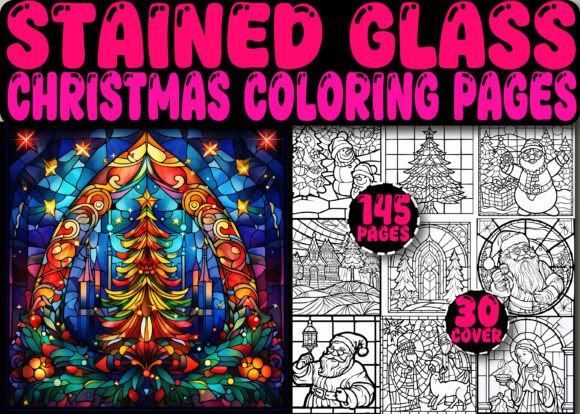
As a brand designer who has spent years refining visual identities for local businesses, I approach every new graphic design asset with a critical eye. It is not enough for an image to be pretty; it must serve a strategic purpose. Recently, I evaluated the Stained Glass Christmas Coloring Pages collection from Coloring Pages Amp to determine its viability for real-world commercial applications. My goal was to see if these illustrations could elevate small business branding beyond simple decoration and into the realm of professional brand identity.
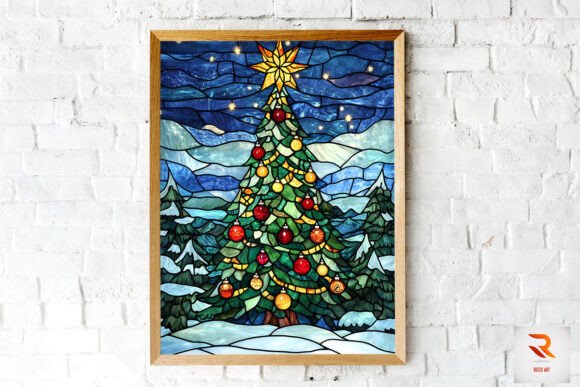
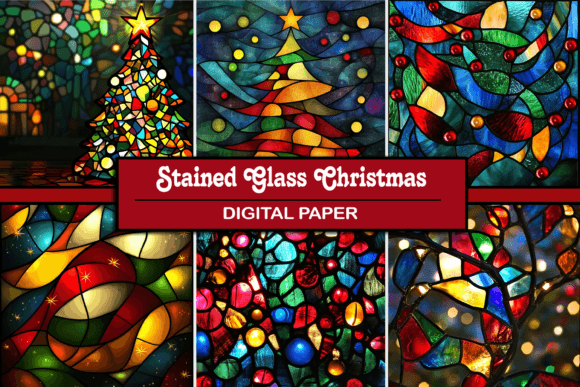
The first impression of this collection is one of intricate nostalgia mixed with festive warmth. The designs mimic the leaded glass windows found in historic chapels, creating a mood that is both elegant and deeply traditional. For a local business, this aesthetic suggests reliability, craftsmanship, and attention to detail. It does not scream "cheap holiday sale"; rather, it whispers "artisanal quality." This makes it an excellent fit for boutique owners, handmade sellers, and food businesses looking to convey a sense of heritage and care during the holiday season.
Elevating Packaging Design and Product Labels
In the context of packaging design, these stained glass motifs offer a unique advantage: they provide structure without overwhelming the product name. I tested these assets on mockups for a small-batch candle brand and a artisanal cookie shop. The geometric lines of the stained glass pattern create a natural frame, guiding the consumer’s eye toward the central product label. When used as a border or a background watermark, the design adds depth and texture that flat colors often lack.
For a handmade business, such as a soap maker or a jeweler, using these elements on hang tags or thank-you cards can significantly enhance the unboxing experience. The intricate details suggest that the product inside is equally detailed and carefully crafted. However, it is crucial to maintain visual hierarchy. If the stained glass pattern is too dominant, it can compete with essential information like ingredients or pricing. I recommend using the asset at reduced opacity or as a subtle accent rather than the primary focal point on crowded layouts.
Strategic Use in Marketing Visuals and Social Media
Beyond physical products, these illustrations are powerful tools for digital marketing visuals. In an era where social media feeds are cluttered, a distinct visual style helps a brand stand out. The Stained Glass Christmas Coloring Pages work exceptionally well for seasonal campaign graphics, website banners, and promotional ads. Their vertical and symmetrical nature fits perfectly within Instagram story templates or Pinterest pins.
For social media managers, these assets can be colored digitally to match specific brand palettes, ensuring consistency across all platforms. Whether you are promoting a winter sale for a florist or announcing a limited-edition menu for a coffee shop, the stained glass motif adds a layer of sophistication. It transforms a standard promotional post into a piece of editorial design that followers are more likely to save and share. This emotional connection is vital for building customer trust and loyalty.
Where to Exercise Caution in Commercial Design
While versatile, this asset is not a universal solution. As a designer, I advise against using these intricate patterns for formal corporate branding or luxury minimalist brands where whitespace is paramount. The complexity of the stained glass design can become visual noise if not managed correctly. It should be used carefully on very small labels where fine lines might blur during printing. Additionally, avoid placing critical legal information or ingredient lists directly over the densest parts of the illustration, as this compromises readability.
For businesses aiming for a modern, tech-forward look, this traditional aesthetic might feel disjointed. It is best suited for brands that already lean into rustic, vintage, organic, or classic styles. If your logo design is ultra-modern and sans-serif, pairing it with ornate stained glass may create a confusing brand message. Always ensure that the decorative element supports, rather than contradicts, your core professional branding guidelines.
Practical Designer Notes for Implementation
Before integrating any design assets into client work, rigorous testing is non-negotiable. Here are my practical notes for using the Stained Glass Christmas Coloring Pages effectively:
- Test on Real Mockups: Always preview the design on actual packaging dimensions. What looks good on a screen may lose detail when printed on a small jar label.
- Check Black and White Usage: Ensure the lines hold up in monochrome. This is essential for cost-effective printing or faxed invoices.
- Inspect File Formats: Verify if you are working with high-resolution PNG files for transparency or SVG files for scalability. Vector formats are preferred for large-format prints like posters or banners.
- Font Pairing: These illustrations pair beautifully with serif fonts for a classic look or handwritten fonts for a personal touch. Avoid overly decorative display fonts that may clash with the intricate lines of the glass pattern.
- Confirm Licensing: Always review the commercial license terms provided by Coloring Pages Amp. Ensure you have the right to use the asset for physical product sales and client projects.
- Color Testing: Experiment with different color overlays. While traditional stained glass is vibrant, muted pastels or monochromatic tones can make the design feel more modern and subdued.
Final Verdict on Brand Value
The Stained Glass Christmas Coloring Pages are more than just a digital product; they are a versatile tool for enhancing local business presence. When used strategically, they support stronger product recognition and improved shelf appeal. They help create a cohesive narrative that resonates with customers seeking authenticity and warmth during the holidays.
For creative entrepreneurs, boutique owners, and marketers, this collection offers a way to differentiate their product mockup and promotional materials from generic competitors. By respecting the principles of visual hierarchy and maintaining consistency with brand colors, these assets can transform ordinary packaging into memorable brand experiences. Whether you are designing a Canva template for social media or crafting a custom printable design for in-store displays, these illustrations provide the artistic foundation needed for impactful commercial design.
In conclusion, while not suitable for every brand archetype, this asset is a valuable addition to the toolkit of designers working with artisanal, food, and lifestyle brands. It bridges the gap between traditional craftsmanship and modern marketing needs, offering a timeless aesthetic that enhances customer trust and elevates the perceived value of the products it adorns.